
Trusting UCP's Education Promises: Lips Moving Edition
Budget Boost or Ballot Bait?

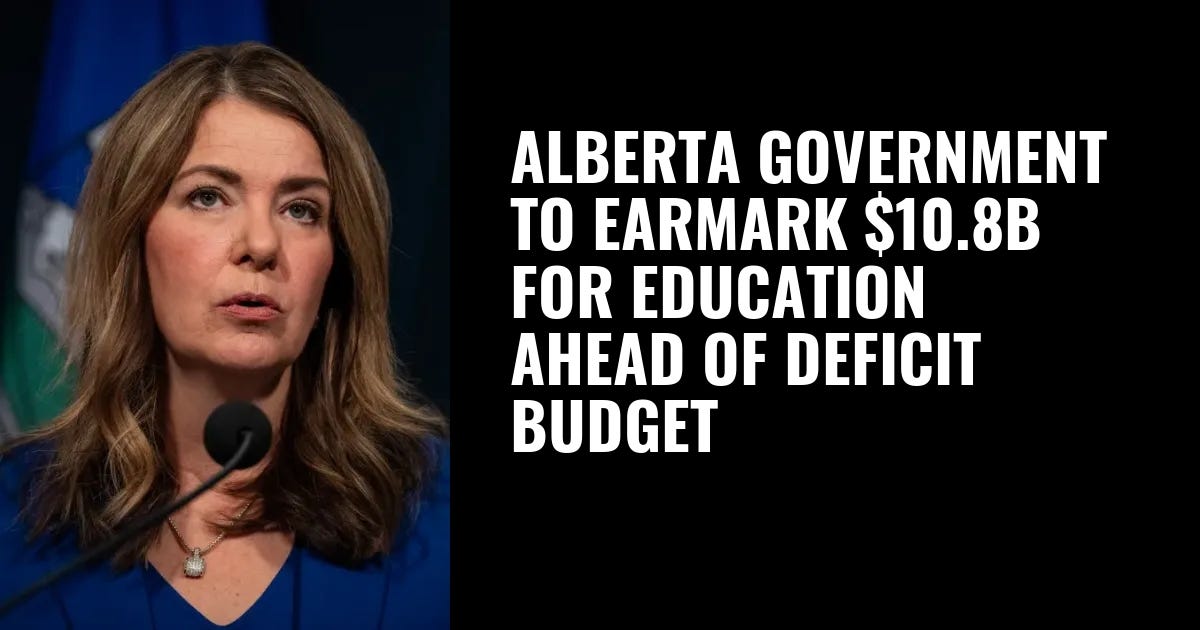
You know the old saying: how do you tell if someone’s lying? Their lips are moving. Alberta’s UCP government just announced $10.8 billion for education in Budget 2026, a 7% jump, to hire 1,600 new teachers and 800 support staff, aiming to tackle “classroom complexities.” With an election possibly 18 months away, skeptics smell pre-campaign perfume on these promises, especially after years of broken trust and a teachers’ strike ended by the notwithstanding clause.
Satirical Budget Spin
Picture Premier Smith at the podium, beaming like a kid who finally did their homework after the teacher strike threat: “We’re hiring 1,600 teachers! Problem solved!” Never mind the sub shortages crippling schools or the need to rebuild university programs gutted by past cuts; magic money appears right on cue for election season. It is like promising a feast after starving the chef; the government hails it as “historic” but teachers whisper, “About time, and still not enough.”
Real Classroom Chaos
In a Grade 2 class of 24, we are screening 7 kids, nearly 30%, for dyslexia amid Alberta’s mandatory Grade 1–3 literacy tests using tools like CC3 and LeNS. Despite heroic teachers, intensive interventions, and over half the parents reading nightly (no exaggeration), exposure alone does not cut it for dyslexic learners. Research shows they need multi-sensory methods, explicit phonics, repetition with decodable texts, and structured literacy, not just bedtime stories, to build neural pathways for reading.
Dyslexia, Dyscalculia, and Double Whammies
Toss in dyscalculia, where numbers rebel like a bad math word problem, and comorbidity hits hard: kids with both show additive cognitive deficits in phonological processing and numerical magnitude sense. Studies confirm meaningful prevalence for dyslexia alone, with overlaps demanding tailored strategies beyond general exposure. Whether better screens are catching more cases, or they are rising, no magic fix exists without specialized intervention.
Class Size Crunch
Smaller classes are not a luxury, they are essential for these complexities. Research on special education shows that as small instructional groups grow, reading scores drop because individual instruction time shrinks. For dyslexic or neurodiverse kids, larger classes overwhelm with noise, peer distractions, and unmet needs, while smaller ones boost achievement through closer support and focused interactions. UCP’s talk of “complexity teams” sounds promising, but without real class caps, it risks becoming lipstick on a crowded pig
Call to Action
We cannot cut teachers or aides now, we must reduce sizes, fund real interventions, and prove this budget is not election vapourware. Parents and teachers should demand metrics, not promises. Lips may move, but results do not lie; what say you, readers, are you buying the UCP glow-up, or waiting for the fine print?
So perfectly timed.